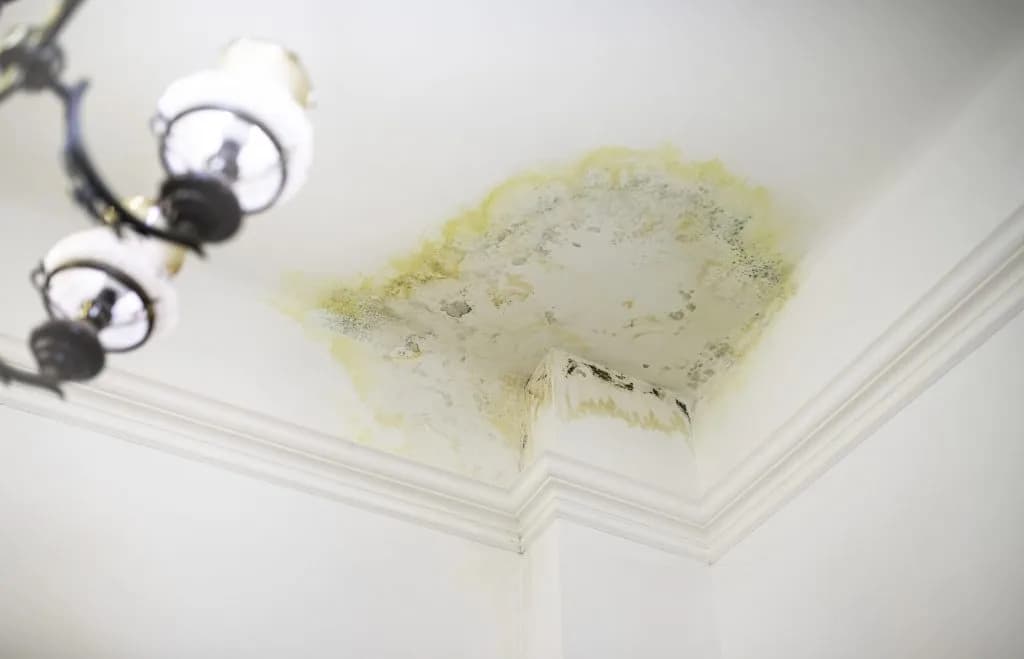
Water seepage is one of the most common and most frustrating problems faced by Singapore homeowners. A small damp patch on the ceiling can grow into a stained, mouldy mess within months, and by the time it becomes obvious, the underlying damage is often far worse than it looks.
In this guide, RR Handyman Service explains what causes seepage, how to tell whether it is coming from your unit or the one above, who is responsible for the repair, and what it realistically costs to fix in Singapore.
What Is Water Seepage?
Seepage is the slow movement of water through concrete slabs, mortar joints and porous surfaces. Unlike a burst pipe, which releases water quickly and obviously, seepage travels silently through the structure and only becomes visible when it reaches your ceiling or wall surface.
Because the source can be several metres away from where the stain appears, seepage is notoriously difficult to diagnose without proper investigation.
The Most Common Causes of Seepage in Singapore
- Failed waterproofing in the bathroom above. This is by far the most frequent cause. Waterproofing membranes have a lifespan, and after ten to fifteen years many begin to fail, especially around floor traps and pipe collars.
- Concealed pipe leaks. A slow leak in a concealed water pipe inside a wall or floor slab will travel along the structure before showing up as a damp patch somewhere unexpected.
- Deteriorated external wall sealant. Rainwater can penetrate through cracked sealant joints around windows and external walls, causing dampness on interior surfaces.
- Blocked or damaged floor traps. Water that cannot drain away properly will find another path, often through the slab into the unit below.
- Poor workmanship during renovation. If waterproofing was skipped, applied too thinly or not tested, failure is only a matter of time.
- Ageing building structure. Older buildings develop hairline cracks in slabs and joints that allow water to migrate.
Warning Signs You Should Not Ignore
- Damp, dark patches on ceilings or walls that slowly grow larger
- Peeling paint or bubbling plaster, especially near wet areas
- Black mould growth along skirting boards, corners and ceiling edges
- A persistent musty or damp smell in a room
- White, powdery salt stains on walls, known as efflorescence
- Water stains that reappear after repainting
- Yellowish rings on the ceiling directly below a bathroom
- Loose or hollow-sounding floor tiles near a wet area
If you see any of these signs, act quickly. Seepage never resolves on its own, and the longer it continues, the more structural damage accumulates, along with the cost to repair it.
How to Identify the Source of the Seepage
Finding the true source is the most important step, because repairing the wrong area wastes money and does not solve the problem. A proper investigation typically involves:
- Visual inspection of the affected area and the wet area above it.
- Moisture meter readings to map out where the dampness actually is.
- Ponding test in the bathroom above, where water is retained on the floor for twenty-four hours and the ceiling below is observed.
- Pressure test on water pipes to rule out a concealed pipe leak.
- Dye test around floor traps to confirm whether the trap collar is the entry point.
Who Is Responsible for the Repair?
This is the question that causes the most friction between neighbours in Singapore. The general rule is straightforward.
| Situation | Responsible Party |
|---|---|
| Seepage caused by failed waterproofing in the unit above | Owner of the upper unit |
| Seepage caused by a concealed pipe serving the upper unit | Owner of the upper unit |
| Seepage from a shared or common pipe | Town Council or MCST |
| Seepage through external walls from rain | Town Council or MCST |
| Seepage caused by renovation works in your own unit | You |
For HDB flats, if the neighbour above refuses to cooperate, you can approach the HDB Branch or the Community Mediation Centre for assistance. For condominiums, the MCST is usually the first point of contact.
How Seepage Is Repaired
Method 1: Waterproofing Membrane Replacement
This is the correct long-term solution when the membrane in the bathroom above has failed. The tiles and screed are hacked out, the substrate is prepared, a new membrane is applied in multiple coats, a ponding test is carried out, and the area is re-tiled.
This method is invasive but reliable. It is the only approach that addresses the root cause properly.
Method 2: PU Injection
Polyurethane injection involves drilling small holes into the affected slab and injecting expanding resin under pressure. The resin fills cracks and voids and cures into a flexible, water-resistant seal.
PU injection is faster, less disruptive and cheaper than hacking, and it is ideal for slab leaks, construction joints and situations where access to the unit above is not possible. Its main limitation is that it treats the symptom at the point of entry rather than renewing the entire membrane.
Method 3: Surface Grouting and Coating
For minor surface dampness or external wall seepage, crystalline grouting and elastomeric coatings can be applied to the affected surface. This is a lighter intervention suited to specific situations and should be assessed carefully before being recommended.
Typical Seepage Repair Costs in Singapore
| Repair Method | Typical Cost (SGD) | Duration |
|---|---|---|
| PU injection (per point) | $350 – $800 | Half a day |
| Full bathroom waterproofing with re-tiling | $3,500 – $7,000 | 5 – 7 days |
| External wall sealing | $600 – $2,000 | 1 – 2 days |
| Ceiling patch repair and repainting | $300 – $900 | 1 day |
How to Prevent Seepage in Your Own Home
- Ensure waterproofing is done correctly during any renovation, with a proper ponding test.
- Never tile over an existing floor without checking the waterproofing beneath it.
- Keep floor traps clean and free of hair and debris.
- Reseal silicone joints around bathtubs, shower kerbs and basins every few years.
- Fix dripping taps and slow drains promptly.
- Inspect ceilings below bathrooms once or twice a year for early warning signs.
Frequently Asked Questions
How do I know if the seepage is from my unit or the unit above?
A ponding test in the upper unit is the most reliable way to confirm. If water retained in the bathroom above produces dampness on your ceiling within twenty-four hours, the source is confirmed.
Can I repair seepage myself with sealant?
No. Surface sealants only mask the problem temporarily. Water will find another path and the damage will continue behind the surface, often getting worse before it becomes visible again.
Will repainting cover the water stain?
Only temporarily. Without resolving the water source, the stain will bleed through the new paint within weeks. A stain-blocking primer helps, but it does not fix the underlying issue.
Is PU injection a permanent solution?
PU injection can be a long-lasting solution for slab leaks and joints when the source is correctly identified and the injection is done properly. However, if the waterproofing membrane itself has failed over a large area, full replacement is the more reliable long-term fix.
How long does a seepage repair take?
PU injection is usually completed within half a day. Full bathroom waterproofing with re-tiling takes five to seven working days including the ponding test.
Speak to a Seepage Specialist in Singapore
RR Handyman Service specialises in seepage investigation, waterproofing and PU injection across Singapore. We diagnose the actual source before recommending a repair, so you do not pay for work that does not solve the problem.
Call or WhatsApp +65 8624 3080 or email rrhandymansg@gmail.com to book a site inspection.