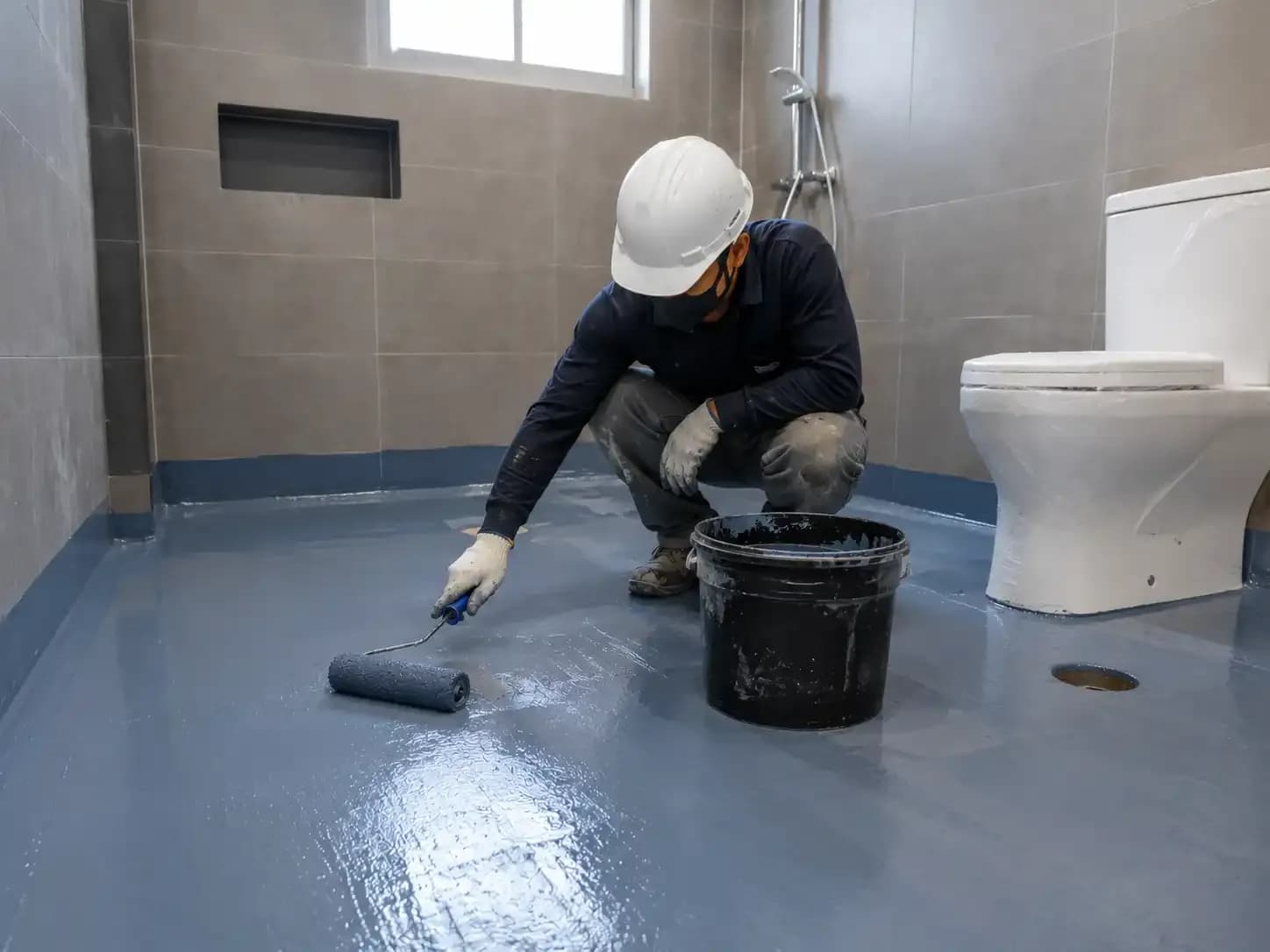
Bathroom waterproofing is the single most important hidden element in any Singapore home. You will never see it once the tiles are laid, but if it is done incorrectly, you will certainly feel the consequences, often in the form of a complaint from the neighbour below and a repair bill running into thousands of dollars.
This guide from RR Handyman Service explains exactly how bathroom waterproofing should be carried out, what a ponding test is and why it matters, what it costs, and how to protect yourself when hiring a contractor.
Why Bathroom Waterproofing Matters So Much
Water is relentless. Given any path through a concrete slab, it will find it. Bathrooms are constantly wet, and the slab beneath them is exposed to water every day for years. Without a proper waterproofing membrane, water seeps through the screed, into the slab, and eventually into the ceiling of the unit below.
The consequences of failure include:
- Water stains and dripping ceilings in the unit below
- Mould growth and damp smells in adjacent rooms
- Peeling paint and crumbling plaster
- Structural deterioration of the slab over time
- Costly disputes with neighbours and, in HDB cases, involvement of the HDB Branch
- Full re-hacking of your bathroom to fix the problem properly
The Correct Waterproofing Process, Step by Step
There is only one correct sequence, and any contractor who proposes shortcuts is creating a future problem for you.
Step 1: Hacking and Removal
The existing floor and wall tiles, together with the screed, must be hacked out to expose the bare concrete slab. Waterproofing cannot be applied over an existing tile or screed surface, because the membrane will not bond and the existing layers may already be holding water.
Step 2: Surface Preparation
The exposed slab is cleaned, any loose material is removed, and cracks and honeycomb areas are patched with non-shrink grout. The surface must be dry, sound and free of dust before the membrane is applied.
Step 3: Detailing
This is where most failures originate and where careful work matters most. Detailing includes:
- Angle fillets at the junction between the floor and walls
- Reinforcing tape along these junctions
- Sealing around all pipe collars, floor traps and shower kerbs
- Treating any construction joints or expansion joints
Step 4: Membrane Application
A cementitious or polyurethane membrane is applied in two or three coats, each applied in a perpendicular direction to the previous one. The membrane must extend up the walls at least 200mm, and to full height in shower areas. Drying time between coats must be respected.
Step 5: Ponding Test
The floor is flooded with water to a depth of at least 25mm and left for a minimum of twenty-four hours, often forty-eight. The ceiling of the unit below is inspected for any sign of dampness or dripping.
This test is non-negotiable. Any contractor who suggests skipping it is either cutting corners or hiding something.
Step 6: Protective Screed and Tiling
Once the ponding test has passed, a protective screed is laid to create the correct fall towards the floor trap, followed by the tile adhesive and tiles.
Never allow tiling to begin before the ponding test has been completed and passed. Once the tiles are on, the waterproofing cannot be inspected or verified.
Waterproofing Membrane Types
| Membrane Type | Characteristics | Best For |
|---|---|---|
| Cementitious | Rigid, easy to apply, cost-effective | Standard bathrooms and kitchens |
| Polyurethane (PU) | Flexible, bridges hairline cracks, UV resistant | Balconies, rooftops and areas with movement |
| Torch-on bituminous | Very durable, requires heat application | Flat roofs and terraces |
| Polyurea | Fast curing, seamless, high performance | Commercial and high-spec applications |
How Long Does Bathroom Waterproofing Take?
- Hacking and debris removal — one to two days
- Surface preparation and detailing — one day
- Membrane application in coats — one to two days
- Ponding test — one to two days
- Screeding and tiling — two to three days
- Grouting, cleaning and handover — one day
In total, expect five to seven working days per bathroom. Any quote promising a two-day turnaround is not doing the job properly.
Typical Waterproofing Costs in Singapore
| Scope | Typical Cost (SGD) |
|---|---|
| Waterproofing only (after hacking is done by others) | $800 – $1,800 per bathroom |
| Full bathroom waterproofing and re-tiling | $3,500 – $7,000 per bathroom |
| PU injection for a specific leak point | $350 – $800 per point |
| Balcony or planter box waterproofing | $1,200 – $3,000 |
| Rooftop waterproofing | $2,500 – $8,000 |
Signs Your Waterproofing Has Already Failed
- Damp or discoloured patches on the ceiling of the unit below
- Musty smell in the bathroom or adjacent rooms
- Loose or hollow-sounding floor tiles near the shower or floor trap
- Mould growth along the bathroom skirting or on the wall behind the tiles
- Cracked or crumbling grout around the floor trap
- Water stains that keep returning after repainting
What to Check Before Hiring a Waterproofing Contractor
- Ask whether a ponding test is included in the quotation. It should be.
- Ask what membrane brand and type will be used, and how many coats will be applied.
- Ask whether angle fillets and pipe collar sealing are part of the scope.
- Confirm the workmanship warranty period in writing.
- Check whether the contractor handles HDB or MCST coordination if required.
- Ask what happens if the ponding test fails.
Frequently Asked Questions
How often should bathroom waterproofing be redone?
A properly applied membrane lasts fifteen to twenty years. In practice, most bathrooms are re-waterproofed during renovation, typically every ten to fifteen years.
Can I waterproof over existing tiles?
No. Waterproofing must be applied to the bare slab after hacking. Applying it over existing tiles will not bond properly and will fail.
Is a ponding test really necessary?
Absolutely. It is the only way to verify that the membrane is watertight before tiles are laid. Without it, any defect will only be discovered after your bathroom is finished.
What if the leak is from the unit above?
Then the repair must be done in the unit above. We can help investigate and advise on the correct approach, and assist with coordination where required.
Does waterproofing come with a warranty?
Yes. A reputable contractor will provide a written workmanship warranty, typically five to ten years depending on the system used.
Book a Waterproofing Specialist in Singapore
RR Handyman Service carries out bathroom, kitchen, balcony and rooftop waterproofing across Singapore, always with proper surface preparation, multi-coat membrane application and a ponding test before handover.
Call or WhatsApp +65 8624 3080 or email rrhandymansg@gmail.com to arrange a site survey.